Blog
Research notes, mission analysis, and astrobiology essays from the IMPRESS team.
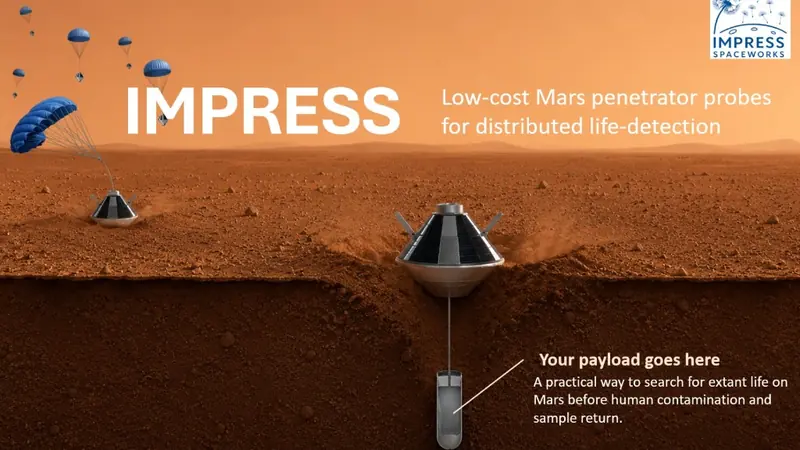
Responding to NASA's RFI: A Commercial Path to Distributed Mars Astrobiology
Our response to NASA RFI NNH26ZDA010L, proposing a SkyFall pathfinder and four areas of collaboration to scale from a handful of penetrator probes to a survey large enough to search Mars for extant life.

IMPRESS: A Planetary Penetrator Network for Astrobiology, Prospecting, and Exploration of Mars – preprint
Preprint release for the IMPRESS mission architecture paper, including supplementary tables.
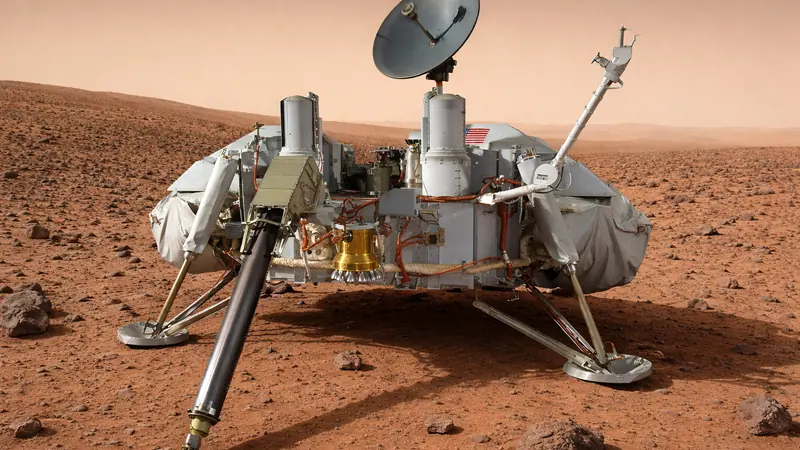
Understanding Viking (4). Carbon Fixation on Mars and Its Interpretation
Where we left the story last , Norm Horowitz, Jerry Hubbard, and George Hobby had just run the “HHH” experiment on Mars in 1976, hoping to detect the fixation of inorganic carbon ( 14 CO 2 and/or 14 CO) by Martian soils…
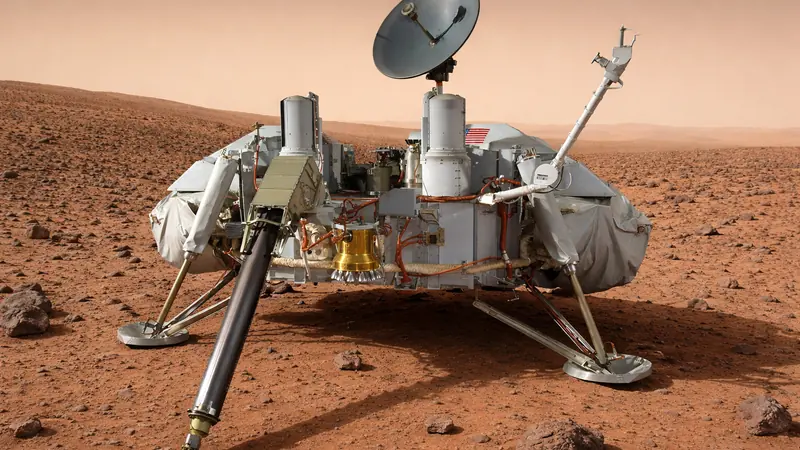
Understanding Viking (3). Carbon Fixation on Mars
At the end of the previous Single Scoop , Norm Horowitz, Jerry Hubbard, and George Hobby were ready to fly to Mars their experiment (referred here as the HHH experiment) to detect the fixation of inorganic carbon ( 14 C…
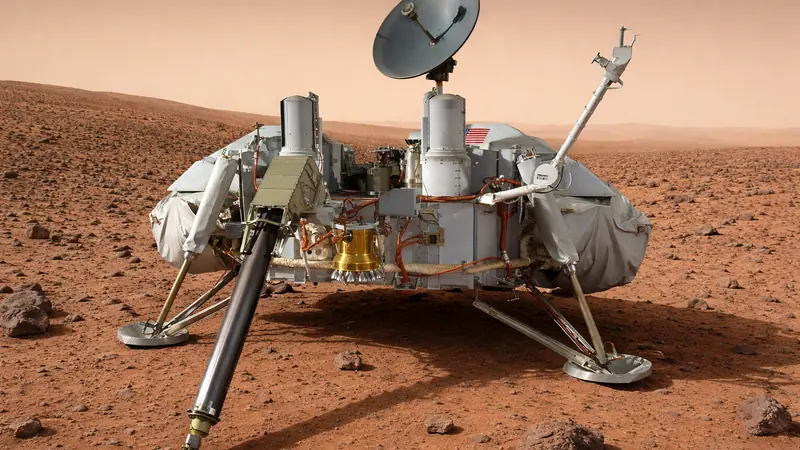
Understanding Viking (2): Preparations to Detect Martian Photosynthesis
We start our series of Primordial Scoops covering the Viking results with what might be the most important of the Viking life detection experiments, at least from an ecological point of view. This experiment was propose…
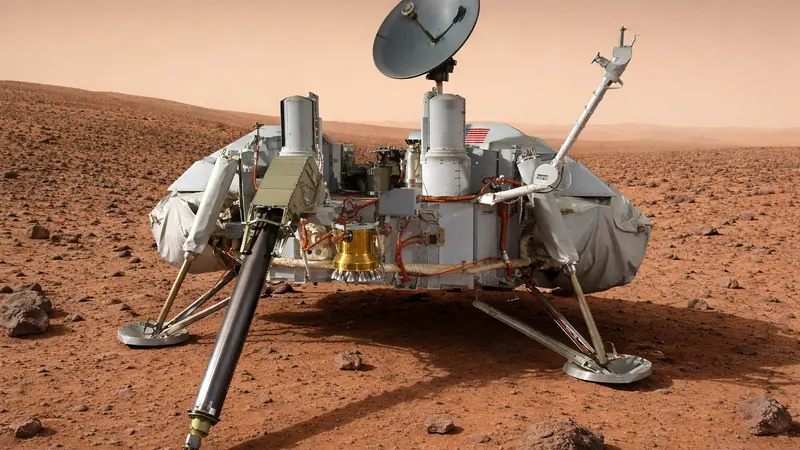
Understanding Viking (1): A Modern Reexamination
Most of the first information about the potential of Mars to support life on its near-surface came from experiments done in 1976 at two sites on the Martian surface visited by two sister Viking landers. Little of the pr…
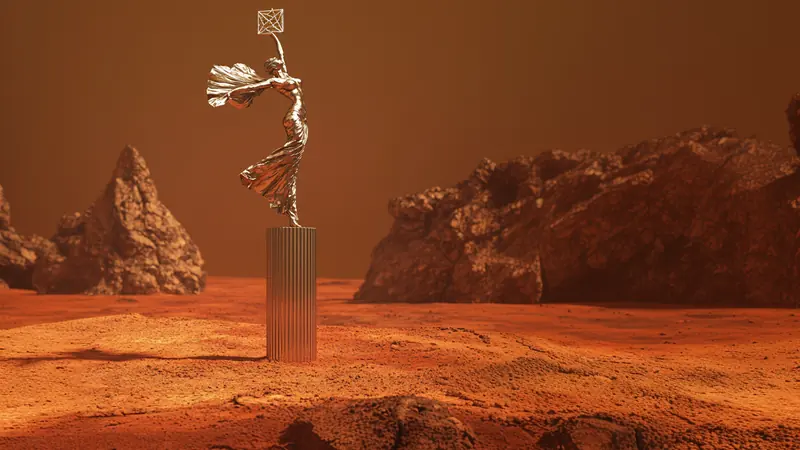
IMPRESS to Deliver Art and Science to Mars
The image depicts a concept art: a five meters tall titanium penetrator imbedded in the Martian soil. The scientific payload and cameras broadcasting statue’s selfies reside in the half-buried pedestal. Long after the s…

Interplanetary lawn darts to study extant life in Martian subsurface ice
A proposal to search for life on Mars using kinetic penetrators, embedding probes into Martian ice through hard landing. This life-finding mission concept is low-cost and accessible to many private organizations, thus a…
A way forward for NASA astrobiology
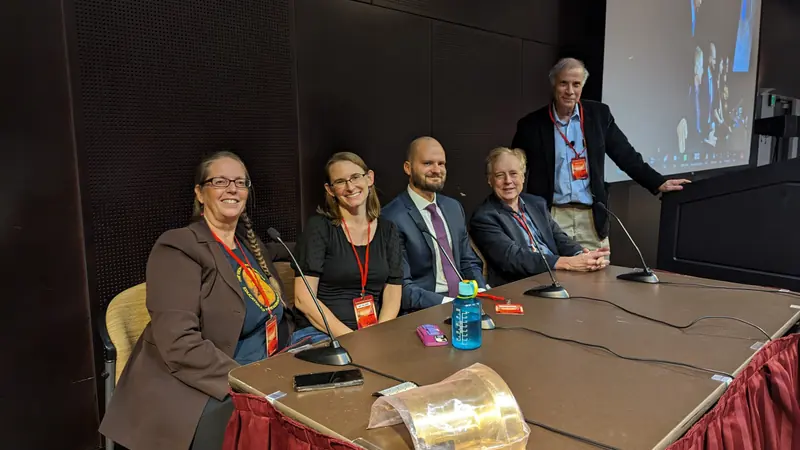
Last week at the Mars Society Convention I had an opportunity to talk to fellow astrobiologists, leaders of NASA Mars Exploration Program, and concerned public. Here are my thoughts.